


Pediatric Dentist in Anaheim, CA for a Beautiful Smile
Finding the right dental care for your child means looking beyond routine checkups. You want a dental team that understands children's changing oral health needs, takes their comfort seriously, and helps you make informed decisions about their care.
At Bristol Dental Group in Anaheim, CA, pediatric specialists understand how important it is for parents to feel confident about their children's oral health. From their first dental visit to the development of their permanent teeth, regular dental care can help identify concerns, support healthy habits, and address problems when treatment is needed.
Whether you're scheduling your child's first examination or looking for help with a toothache, contact Bristol Dental Group to discuss your child's dental needs and schedule an appointment.






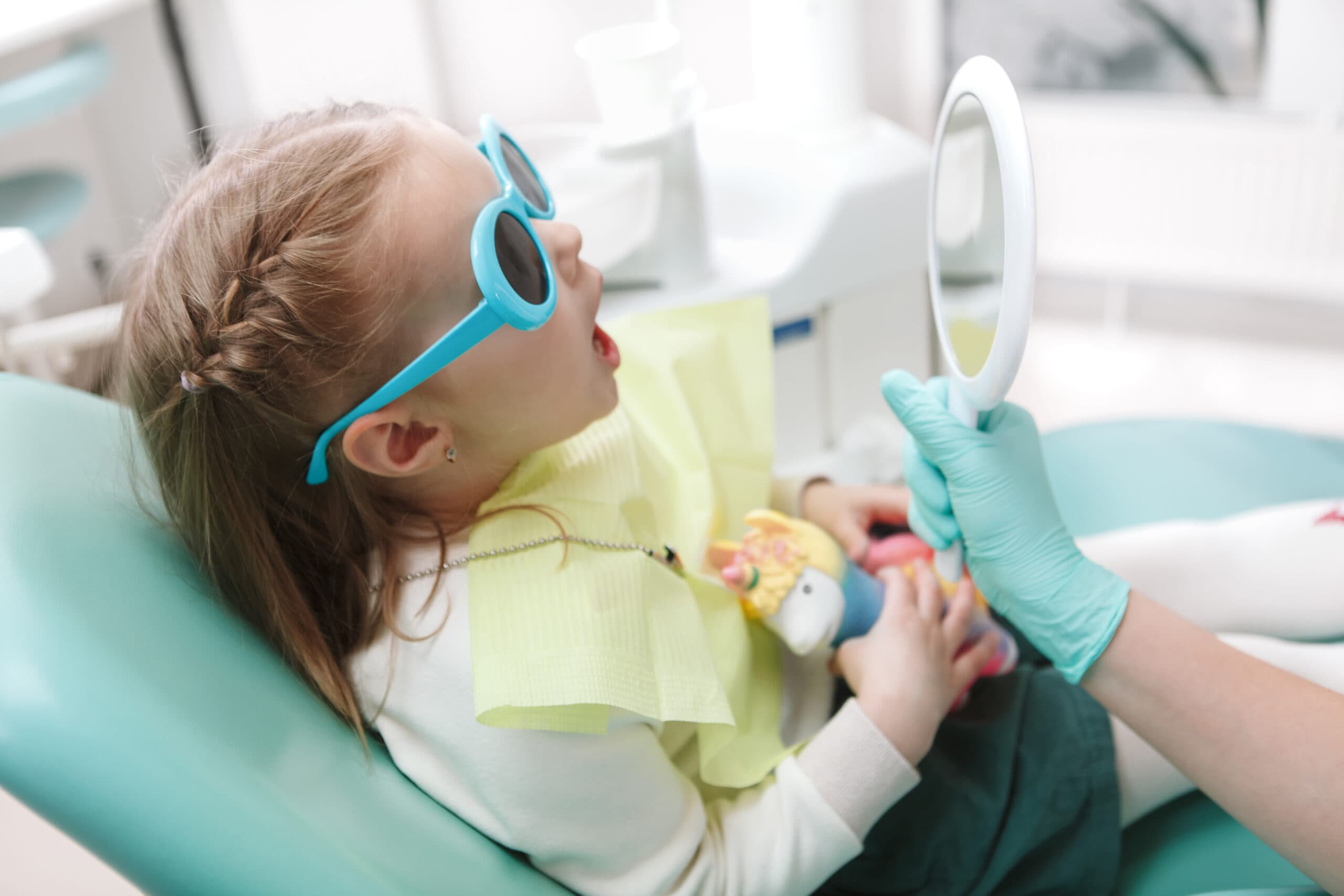
How Much Does Pediatric Dental Care Cost in Anaheim, CA?
Dental Insurance and Payment Options for Children's Dentistry
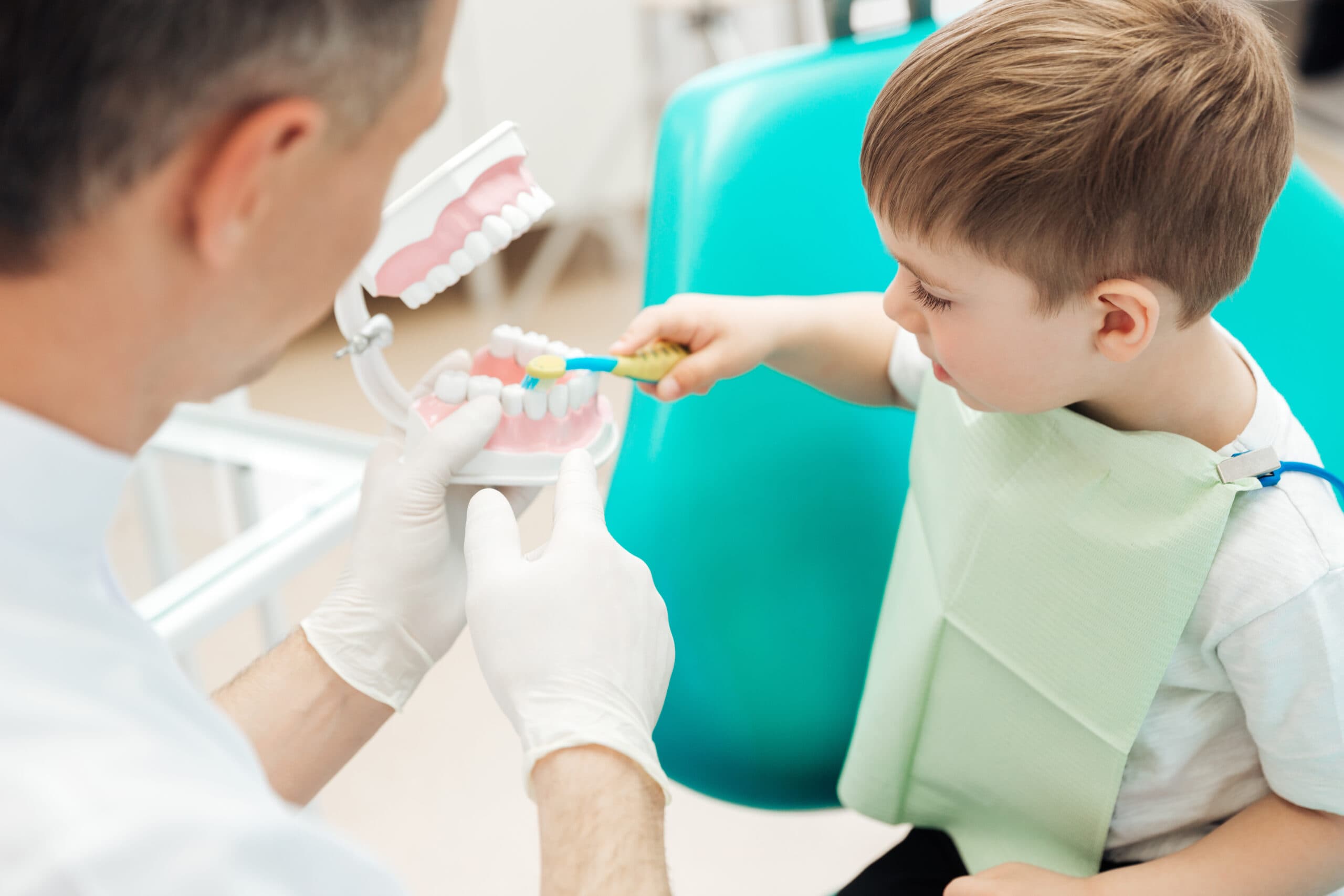
Why Choose Bristol Dental Group for Pediatric Dentistry in Anaheim?

Personalized Dental Care Focused on Your Child's Comfort

Pediatric Dental Services for Kids in Anaheim, CA
Children's Dental Exams, Cleanings, and Preventive Care
Fluoride Treatments and Dental Sealants
Tooth-Colored Fillings and Restorative Dental Care
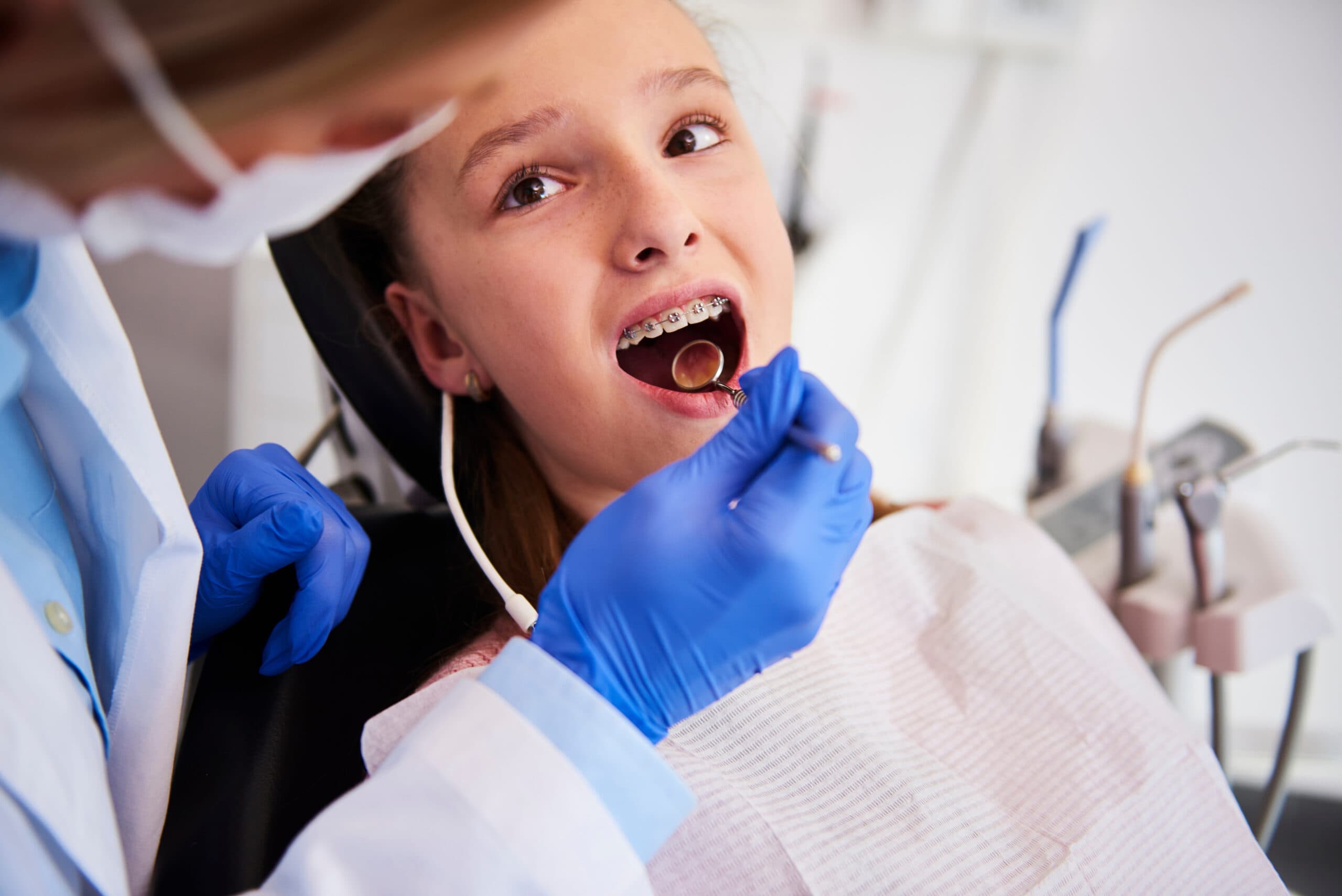
Why Pediatric Dental Care Matters for Your Child's Oral Health
Healthy Baby Teeth and Developing Permanent Teeth
Building Healthy Dental Habits From an Early Age

What to Expect During Your Child's Dental Visit
Helping Your Child Feel Comfortable at the Dentist
Common Dental Problems in Children
Kids can still experience dental problems even when they brush and floss regularly.
Understanding common concerns can help parents recognize when a professional examination may be appropriate.
Tooth Decay, Cavities, and Gum Health
Tooth decay develops when acids produced by bacteria break down tooth enamel.
Cavities may cause sensitivity or discomfort, although early decay does not always produce noticeable symptoms.
Plaque accumulation can also irritate the gums. Regular examinations help identify these concerns and determine whether preventive or restorative care is appropriate.
Dental Injuries, Toothaches, and Other Concerns
Active children may experience chipped teeth, dental injuries, or toothaches during everyday activities.
A dental professional should evaluate persistent toothache, swelling, or visible damage. Some dental injuries require urgent attention, particularly when a permanent tooth is knocked out or a child experiences significant dental trauma.
Parents should avoid reinserting a knocked-out baby tooth because it may damage the developing permanent tooth.
When Should Your Child First Visit the Dentist?
Early visits allow dentists to examine developing teeth, identify potential concerns, and discuss appropriate oral hygiene practices.
A first appointment does not necessarily mean a child needs dental treatment. In many cases, the emphasis is on evaluation, prevention, and helping parents understand their child’s changing dental needs.
Comprehensive Dental Care for Infants, Children, and Teenagers
Infants and toddlers benefit from early evaluation and guidance on caring for emerging teeth. School-age kids may need additional attention to cavity prevention as permanent teeth begin to appear.
Teenagers may encounter different concerns involving oral hygiene, dietary habits, sports-related dental injuries, and developing bite relationships.
How to Care for Your Child's Teeth Between Dental Visits
Brushing, Flossing, and Healthy Oral Hygiene Habits
Kids should brush twice daily using an age-appropriate amount of fluoride toothpaste.
Parents may need to assist with brushing until their children can clean their teeth effectively on their own.
Flossing becomes important when adjacent teeth touch and a toothbrush cannot adequately clean between them.
Nutrition, Sugary Drinks, and Cavity Prevention
Frequent exposure to sugary foods and drinks can increase the risk of tooth decay.
Encouraging water consumption, limiting frequent sugary snacks, and maintaining consistent oral hygiene can help reduce that risk.
Parents can also discuss their child’s dietary habits with their dentist when evaluating individual cavity risk.
Pediatric Dentistry FAQs
Many children receive dental examinations approximately every six months, although the appropriate schedule depends on their oral health and individual risk factors. Your dentist may recommend a different interval when additional monitoring or preventive care is needed.
A toothache may result from decay, an injury, or another dental condition. Contact a dental professional for an evaluation, particularly if the discomfort persists or is accompanied by swelling. Facial swelling with fever, difficulty swallowing, or difficulty breathing requires urgent medical attention.
Dental X-rays use ionizing radiation, so their use should be based on the child's individual diagnostic needs. When clinically indicated, appropriate imaging techniques and exposure-reduction practices help limit radiation while providing information that may not be visible during a routine examination. Not every child needs X-rays at every appointment.
Dental anxiety is not unusual, particularly when children are unfamiliar with dental appointments. Parents can help by describing the visit in simple, reassuring language and avoiding frightening descriptions of dental procedures. Let the dental team know about your child's concerns before the appointment so you can discuss appropriate ways to support their comfort.

Whether you're preparing for a first dental visit, scheduling preventive care, or seeking an evaluation for a specific dental problem, Bristol Dental Group in Anaheim can help you explore the next steps for the best care.
Contact Bristol Dental Group to schedule your child's dental appointment in Anaheim, CA.
