


Dental Veneers in Orange County, CA for a Beautiful Smile
Your smile is one of the first things people notice and one of the most personal parts of your appearance. When stains, chips, gaps, worn edges, or uneven teeth make you hesitate to smile, custom dental veneers can create a more polished and balanced appearance without changing what makes your smile uniquely yours.
Bristol Dental Group provides personalized dental veneers in Orange, CA, for patients who want natural-looking cosmetic improvements that complement their facial features. Every treatment begins with a careful evaluation of your teeth, oral health, and goals so your new smile feels comfortable, looks believable, and reflects the result you envisioned.






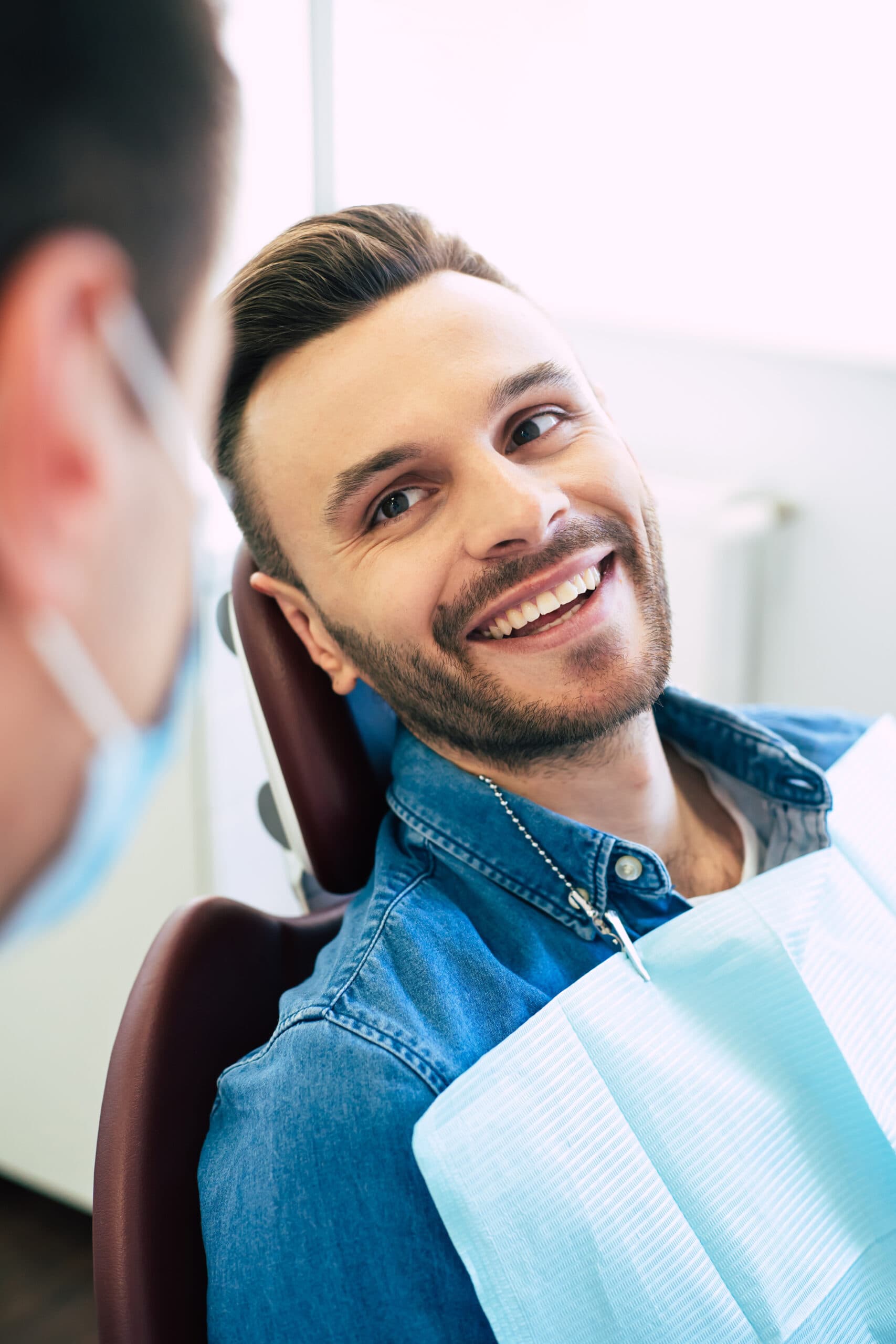
Transform Your Smile with Custom Porcelain Veneers
Porcelain veneers can improve several concerns at once, making them an appealing option for patients who want more than a simple color change. Instead of treating discoloration, chips, gaps, and uneven shapes through several separate procedures, custom veneers can bring these details into greater harmony through one customized treatment plan.
The goal is not to give every patient the same perfect-looking smile. It is to create teeth that appear naturally brighter, smoother, and more proportionate while still fitting your face and personality.
With carefully planned porcelain veneers, you may be able to:
- Create a brighter and more consistent tooth color
- Improve the size and shape of uneven teeth
- Repair the appearance of worn or chipped edges
- Close small spaces between teeth
- Bring greater balance to your overall smile
- Feel more comfortable smiling in photos and social situations
Our dentist will listen to what you would like to change and explain what custom veneers can realistically achieve before treatment begins.
Why Choose Bristol Dental Group for Veneers in Orange County?
Dental veneers are highly visible restorations. Their size, shape, color, translucency, and position all influence whether the final result looks natural. Choosing the right cosmetic dentist is therefore just as important as choosing the treatment itself.
At Bristol Dental Group, veneer treatment is approached as both dental care and personalized smile design. Our cosmetic dentist will consider the health of the supporting teeth along with the cosmetic details that make a smile attractive and believable.
Our Cosmetic Dentist Creates Smiles That Look Naturally Beautiful
Successful veneer placement should complement your surrounding teeth rather than look artificial or out of place. Our experienced dentist evaluates your tooth proportions, facial features, gumline, bite, and preferred shade before recommending a design.
The objective is a smile that looks refreshed and refined—not oversized, overly white, or identical to someone else’s teeth.
Personalized Treatment Plans for Every Smile
Some patients want to improve one noticeably chipped tooth. Others are interested in changing several visible teeth as part of a broader smile makeover. There is no standard number of dental veneers or single design that works for everyone.
Your treatment plan will be shaped by your goals, oral health, the teeth visible when you smile, and the degree of change you want. You will have an opportunity to discuss your priorities and understand your options before deciding how to proceed.
Advanced Technology and Dental Laboratory Craftsmanship
Detailed records help the dental laboratory reproduce the intended shape, shade, translucency, and fit of each veneer. This level of customization helps the restorations coordinate with your surrounding teeth and facial features rather than appearing bulky or artificial.
Comfortable, Patient-Focused Cosmetic Dentistry
Patients often feel both excited and nervous when considering cosmetic treatment. Our cosmetic dentist explains each stage clearly so you know what will happen before, during, and after placement.
Bristol Dental Group also makes treatment more convenient through personalized scheduling and financial guidance. Our goal is to provide an experience that feels organized, supportive, and centered on your comfort from the initial consultation through the final smile reveal.
What Are Dental Veneers?
Dental veneers are thin, tooth-colored coverings attached to the front surfaces of visible teeth. They are individually designed to improve cosmetic concerns involving tooth color, shape, length, spacing, or minor alignment.
Porcelain veneers are created from dental ceramic that can closely resemble natural tooth enamel. The material reflects light in a way that helps properly designed veneers blend with real teeth rather than appearing opaque or artificial.
Veneers are primarily a cosmetic dentistry treatment. They do not replace good oral health, and they are not intended to repair every form of dental damage. Before recommending dental veneers, our dentist will determine whether the underlying teeth are healthy and structurally suitable for treatment.
Benefits of Porcelain Veneers
Porcelain veneers are popular because they can produce a significant smile transformation while preserving more natural tooth structure than treatments that cover the entire tooth.
Natural-looking results: Each veneer is created for a specific tooth rather than selected from a standard shape. The color, contour, length, and surface details can be adjusted so the final smile looks balanced and individualized. Porcelain can also reproduce the slight translucency seen in natural teeth.
Long-lasting beauty: Porcelain veneers are strong, durable, and more resistant to staining than natural tooth enamel or composite resin. With good hygiene and regular dental care, many patients enjoy their veneers for 10 to 15 years or longer.
Conservative coverage: A veneer covers the visible front and edges of a tooth rather than surrounding the entire tooth as a crown does. This can allow our dentist to preserve more healthy tooth structure when the concern is mainly cosmetic.
Veneers are not automatically the most conservative option in every case. Minor cosmetic concerns may be improved with whitening or bonding, while severely weakened teeth may require crowns. Your evaluation will help determine which treatment provides the right balance of appearance, strength, and tooth preservation.
What Can Porcelain Veneers Fix?
Veneers are especially useful when several cosmetic concerns affect the same smile. They may be recommended to improve chipped or worn edges, small gaps, uneven shapes, minor alignment concerns, and deeply stained teeth that do not respond well to professional teeth whitening.
Porcelain veneers can also improve the proportions of teeth that appear too small, narrow, pointed, or misshapen. By adjusting the visible contour of selected teeth, veneers may create a smoother, more consistent appearance across the smile.
Teeth with larger fractures, extensive decay, or significant structural weakness may need a dental crown instead. More advanced crowding, spacing, or bite problems may also require orthodontic treatment before cosmetic work.
Are You a Candidate for Dental Veneers?
You may be a candidate for porcelain veneers if you are unhappy with the visible appearance of your teeth and want a long-term cosmetic solution. However, candidacy depends on more than cosmetic goals alone.
Veneers may be appropriate when:
- Your teeth and gums are generally healthy
- You have enough enamel to support bonding
- Your concerns affect the visible surfaces of your teeth
- You understand that traditional veneers are a long-term commitment
- You are willing to maintain good oral hygiene
- Any teeth-grinding habit can be managed
- Your expectations align with what treatment can realistically achieve
A consultation is the most reliable way to determine whether veneers fit your needs.
Why Good Oral Health Matters Before Getting Veneers
Veneers can improve the appearance of your smile, but they do not eliminate cavities, gum disease, or bite problems. Placing a restoration over an unhealthy tooth can allow the underlying condition to worsen.
Before treatment, our dentist will examine your natural teeth, gums, enamel, and bite. Any active decay or gum inflammation should be treated first. Patients who clench or grind may need a protective nightguard to reduce the chance of chips or fractures.
Maintaining your oral health after treatment is equally important because the natural tooth beneath each veneer can still develop decay.
Porcelain Veneers vs. Other Cosmetic Dentistry Options
No single cosmetic treatment is right for every patient. The best option depends on what you want to change, how much tooth structure is involved, your budget, and how long you want the result to last.
Porcelain Veneers
Porcelain veneers are custom-made in a dental laboratory and bonded to the front of the teeth. They offer excellent stain resistance, durability, and lifelike aesthetics.
They are commonly selected when patients want to improve several concerns at once or desire a more substantial and lasting change.
Composite Veneers
Composite veneers use a color-matched dental material that our dentist shapes over the front of the tooth to improve its appearance. They often involve less tooth preparation and typically have a lower upfront cost than porcelain veneers.
Composite can be a practical choice for smaller corrections, but it is usually more vulnerable to staining, wear, and chipping. As a result, it may require repairs or replacement with new veneers sooner than porcelain.
No-Prep Veneers
No-prep veneers are especially thin restorations designed to require little or no enamel reduction in selected cases. They may be appropriate for smaller teeth, certain gaps, or patients who need additional tooth volume.
They are not suitable for every smile. Placing them without adequate planning can make teeth appear bulky, so candidacy must be evaluated carefully.
Porcelain Veneers vs. Dental Crowns
A veneer covers mainly the front surface of a tooth. A dental crown surrounds most or all of the visible tooth above the gumline.
Veneers are commonly used when the tooth is healthy but cosmetically imperfect. Crowns are often more appropriate when a tooth has extensive decay, a large fracture, a large filling, or significant structural weakness.
Our dentist will recommend the option that provides sufficient strength without removing more healthy tooth structure than necessary.
Porcelain Veneers vs. Teeth Whitening
Professional whitening changes the shade of natural teeth but does not alter their size, shape, spacing, or alignment. It is often the simpler choice when discoloration is the only concern.
Veneers may be more appropriate when stains do not respond to whitening or when the patient also wants to improve chips, gaps, worn edges, or uneven tooth shapes.
Whitening does not change the color of existing veneers. For that reason, our dentist may recommend whitening surrounding natural teeth before selecting the final veneer shade.
The Porcelain Veneers Procedure
Most veneer cases are completed over a series of carefully planned visits. The exact process depends on the type of veneers, the number of teeth involved, and whether any preliminary care is needed.
Smile Consultation and Treatment Planning
Your first visit focuses on your goals, concerns, and existing oral health issues. Our dentist will evaluate your teeth, gums, bite, enamel, and facial proportions before discussing suitable options.
This appointment may include photographs, impressions, digital records, or a shade evaluation. You can also discuss the number of veneers, expected changes, treatment timeline, cost, and alternative procedures.
Preparing Your Teeth
For traditional porcelain veneers, a small amount of enamel is gently removed from the front of each treated tooth. This creates room for the porcelain and helps prevent the final result from looking thick.
Local anesthesia may be used to keep you comfortable. The amount of preparation varies by case and is generally more limited than the preparation required for a dental crown.
Temporary Veneers and Custom Laboratory Fabrication
Temporary veneers may be placed while the permanent restorations are being created. They protect the prepared teeth and provide a preview of the planned size and general shape.
Detailed records are sent to a dental laboratory, where each veneer is crafted according to the treatment design. The dental lab reproduces the selected color, translucency, texture, and contour so the veneers coordinate with your surrounding teeth and facial features.
This customized process commonly takes one to several weeks, depending on the case.
Final Placement and Smile Reveal
When your veneers return, our dentist will evaluate their fit, color, shape, and overall appearance. Adjustments may be made before they are permanently attached.
The teeth are cleaned and prepared for bonding, and each veneer is secured with dental cement. Your bite is then checked so the restorations feel comfortable when you speak and chew.
The final appointment is where the complete design comes together, and you see your transformed smile.
Recovery After Getting Porcelain Veneers
Most patients return to normal activities shortly after veneer placement. There is typically no extended recovery period, although mild sensitivity to temperature or slight gum tenderness may occur for several days.
Your veneers may initially feel unfamiliar because the shape and surface of your teeth have changed. This awareness usually fades as your mouth adjusts.
Contact the office if you experience persistent pain, a bite that feels uneven, or a veneer that feels loose. These symptoms should be evaluated rather than ignored.
Caring for Your Veneers to Protect Your Smile
Veneers do not require a complicated maintenance routine. The most important habits are the same ones that protect your natural teeth and gums.
Daily Oral Health Habits
Brush at least twice daily with a non-abrasive toothpaste and clean between your teeth every day. Flossing does not loosen properly bonded veneers and is necessary to remove plaque near the gumline.
Good hygiene helps protect the natural tooth underneath each restoration and supports healthy gums around the veneer edges.
Foods and Habits to Avoid
You can continue eating most foods, but avoid using veneered teeth as tools. Do not bite pens, open packaging with your teeth, chew ice, or bite directly into very hard objects.
Although porcelain resists stains, the natural teeth and bonding areas can still discolor over time. Moderating coffee, tea, red wine, and tobacco use can help keep your overall smile looking more consistent.
Patients who clench or grind should wear a nightguard if recommended.
Routine Dental Checkups
Regular dental exams and professional cleanings allow our team to monitor your veneers, natural teeth, gums, and bite. Small concerns are often easier to manage when detected early.
Let your dental hygienist know that you have veneers so appropriate polishing techniques can be used.
How Long Do Porcelain Veneers Last?
Porcelain veneers commonly last around 10 to 15 years, and some remain attractive and functional for considerably longer. They do not have a guaranteed expiration date, but they may eventually need replacement because of wear, gum changes, damage, or changes to the supporting tooth.
You can help extend their lifespan by:
- Brushing and flossing consistently
- Scheduling routine dental visits
- Avoiding chewing hard objects
- Wearing a mouthguard during contact sports
- Using a nightguard if you grind your teeth
- Seeking care promptly if a veneer becomes damaged
Replacement may involve removing the existing veneer and creating a new restoration for the tooth.
How Much Do Porcelain Veneers Cost in Orange County?
The initial cost of porcelain veneers in Orange County varies because treatment is customized for each patient. A person receiving one veneer for a damaged tooth will have a different treatment plan than someone completing a multi-tooth smile makeover.
After evaluating your teeth and discussing your goals, our team can provide a personalized estimate so you understand the expected investment before treatment begins.
Factors That Affect Porcelain Veneers Cost
The total cost may depend on:
- The number of veneers being placed
- The veneer material
- The complexity of the smile design
- The condition of the supporting teeth
- Whether preliminary treatment is needed
- Laboratory fabrication
- Temporary restorations
- Bite adjustments
- Additional cosmetic treatments included in the plan
Comparing prices alone may not reflect differences in material quality, customization, laboratory work, and follow-up care.
Veneers are usually considered cosmetic and may not be covered by dental insurance. Bristol Dental Group can review your benefits and discuss available financing options before treatment begins.

Take the first step toward a smile that feels more balanced, polished, and confidently yours. Contact Bristol Dental Group to schedule your dental veneers consultation in Orange County.
