


Santa Ana Dental Implants to Replace Missing Teeth and Restore Your Smile
Transform Your Smile with Dental Implants
At Bristol Dental Group, we provide dental implants in Santa Ana, CA to help patients replace missing or damaged teeth with a solution that looks, feels, and functions like natural teeth. Unlike removable tooth replacement options, dental implants are designed to become a stable part of your smile, restoring the confidence to enjoy your favorite foods, speak clearly, and smile without hesitation.
Whether you're missing a single tooth, several teeth, or an entire arch, our dental implant specialist will develop a personalized treatment plan based on your oral health, lifestyle, and long-term goals. Using advanced diagnostic technology and carefully planned implant placement, we focus on creating results that are durable, comfortable, and naturally beautiful.
If you're ready to explore your options for dental implants in Santa Ana, schedule a consultation with Bristol Dental Group and take the first step toward rebuilding a healthier, more confident smile.






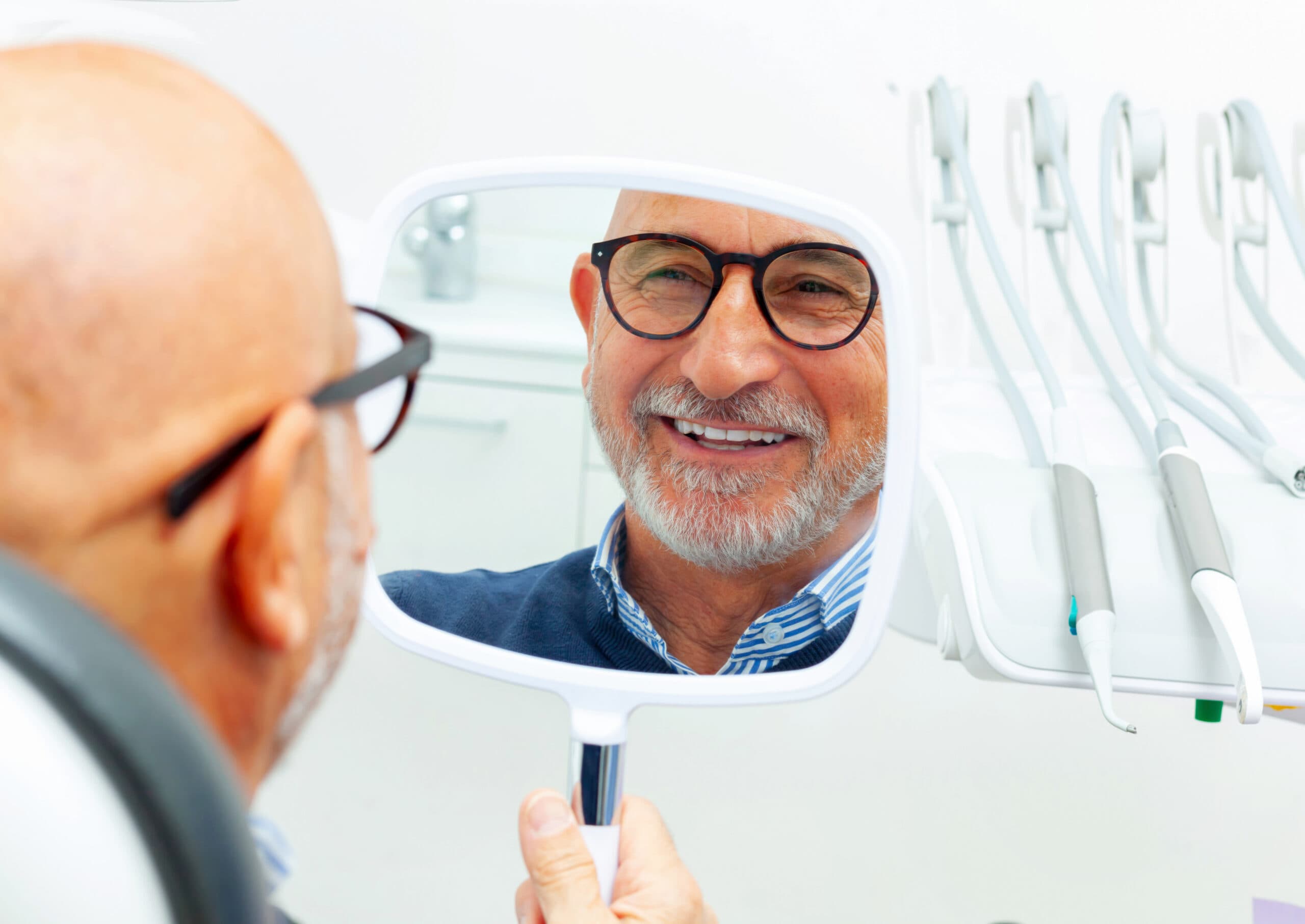
Why Choose Bristol Dental Group for Dental Implants in Santa Ana?
At Bristol Dental Group, we believe every patient deserves more than a replacement tooth—they deserve a smile that feels comfortable, functions naturally, and supports lasting oral health. From your initial consultation through your final restoration, our team is committed to providing compassionate care, clear communication, and personalized treatment every step of the way.
Experienced Implant Care Focused on Long-Term Success
Successful dental implant treatment begins with careful planning. Our experienced dentists take the time to evaluate your oral health, jawbone, bite, and smile goals before recommending treatment.
Whether you’re replacing one missing tooth or restoring your entire smile, our goal is to deliver results that allow you to eat, speak, and smile with confidence for years to come.
Advanced Technology for Precise Dental Implant Placement
Modern technology allows us to plan dental implant treatment with exceptional accuracy. Bristol Dental Group uses advanced digital imaging and detailed treatment planning to evaluate your jawbone, surrounding teeth, and oral structures before treatment begins.
This technology helps our dentist determine the ideal implant position, evaluate available bone support, and identify whether additional dental procedures, such as bone grafting, may improve your long-term outcome. Careful planning helps create more predictable results while enhancing comfort, efficiency, and overall treatment success.
Personalized Treatment Plans for Every Smile
No two smiles—and no two patients—are exactly alike. That’s why every dental implant treatment plan is customized to your individual needs.
During your consultation, we’ll discuss your concerns, examine your oral health, and recommend the treatment option that best restores both the appearance and function of your smile.
Comfortable Care, Flexible Financing, and Ongoing Support
We understand that choosing dental implants is a significant decision, and our goal is to make the process as comfortable and stress-free as possible.
From your first appointment through your final restoration, our team is here to answer your questions, explain each step of treatment, and ensure you feel informed and confident throughout your care. To help make treatment fit a variety of budgets, we offer flexible financing solutions and will gladly explain your insurance benefits so you have a clear understanding of your payment options before treatment begins.
At Bristol Dental Group, our commitment doesn’t end after your implant is placed. We’ll continue to monitor your oral health and provide ongoing support to help protect your investment and keep your new smile healthy for years to come.
What Are Dental Implants?
Dental implants are widely considered one of the most reliable and natural-looking ways to replace missing teeth. Designed to restore both the appearance and function of your smile, dental implants provide a stable foundation for replacement teeth while helping preserve the health of your jawbone.
Each dental implant consists of three primary components:
- The implant post is a small titanium anchor that’s placed within your jawbone. As it heals, it naturally fuses with the bone to provide the strength and stability needed to support a custom replacement tooth.
- The abutment is a connector that securely attaches the replacement tooth to the implant.
- The custom dental crown, bridge, or denture completes the restoration, creating a smile that closely matches the color, shape, and size of your natural teeth.
Over time, the implant post naturally bonds with the surrounding jawbone through a process called osseointegration. This creates a secure foundation that allows your replacement tooth to function much like a natural tooth when chewing, speaking, and smiling.
Unlike removable dentures or traditional dental bridges, dental implants also stimulate the jawbone during everyday use. This helps reduce the bone loss that commonly occurs after a tooth is lost, supporting your facial structure and contributing to better long-term oral health.
For many patients, dental implants provide the closest replacement to natural teeth available in modern dentistry, offering exceptional stability, durability, and aesthetics. With proper care and routine dental visits, dental implants can provide decades of dependable function while helping you maintain a healthy, confident smile.
Are Dental Implants Right for You?
Dental implants are an excellent option for many adults who want a long-lasting solution for replacing missing teeth. Whether you’ve recently lost a tooth or have been living with tooth loss for years, implants may help restore your smile, improve your bite, and support your overall oral health.
Finding out if dental implants are the right solution starts with a personalized consultation. During your visit, our doctor will evaluate your oral health, discuss your goals, and recommend the treatment options that best fit your smile. During your consultation, our dental implant dentists will assess your teeth, gums, jawbone, medical history, and smile goals before recommending the treatment option that best fits your needs.
Ideal Candidates for Dental Implants
Many healthy adults are good candidates for dental implants. You may be an excellent candidate if you:
- Are missing one, several, or all of your teeth.
- Have healthy gums or are willing to complete treatment for gum disease first.
- Have adequate jawbone to support an implant or are a candidate for bone grafting.
- Practice good oral hygiene and attend regular dental visits.
- Want a stable, long-term alternative to removable dentures or traditional dental bridges.
Even if you’ve experienced some bone loss, advances in implant dentistry often make treatment possible through additional procedures that help rebuild the jaw before implant placement.
When Bone Grafting or Other Treatments May Be Needed
Successful dental implant treatment depends on having enough healthy jawbone to securely support the implant. If bone has been lost after a tooth extraction, gum disease, or long-term tooth loss, our doctor may recommend a bone graft before placing the implant.
In some situations, additional procedures may also be recommended to improve gum health or prepare the treatment site before implant surgery.
During your consultation, we’ll explain every recommendation, answer your questions, and develop a treatment plan designed to give your dental implant the strongest possible foundation for long-term success.
Dental Implant Options for Replacing Missing Teeth
One of the greatest advantages of dental implants is their versatility. Whether you’ve lost a single tooth, several teeth, or an entire arch, dental implants can be customized to restore the appearance, function, and stability of your smile.
Single Tooth Dental Implants
If you’re missing one tooth, a single dental implant offers a durable, long-lasting replacement without affecting the healthy teeth around it.
A titanium implant post is placed within the jawbone to replace the missing root, and after healing, a custom-crafted dental crown is attached to complete your smile. Because the implant functions independently, there’s no need to reshape neighboring teeth as is often required with traditional restorations.
Implant-Supported Bridges
When several neighboring teeth are missing, implant-supported dental bridges provide a stable alternative to conventional bridges.
Rather than relying on adjacent healthy teeth for support, implant-supported bridges are anchored directly to dental implants placed within the jawbone. This approach helps preserve natural tooth structure while providing exceptional stability for chewing, speaking, and everyday comfort.
For many patients, implant-supported dental bridges offer an attractive solution that restores multiple missing teeth while protecting long-term oral health.
Implant-Supported Dentures
Traditional dentures can sometimes slip, shift, or make eating and speaking more difficult. Implant-supported dentures offer greater stability by securely attaching your denture to strategically placed dental implants.
Because the denture is anchored to the implants, many patients experience improved comfort, greater chewing ability, and increased confidence during everyday activities. Implant-supported dentures also reduce many of the frustrations commonly associated with removable dentures, allowing you to enjoy a wider variety of foods while speaking and smiling with greater confidence.
Full-Arch Dental Implants
Patients missing all or most of their upper or lower teeth may benefit from full-arch dental implants.
Instead of replacing every missing tooth with an individual implant, several carefully positioned implants are used to support a complete arch of replacement teeth. This approach restores your smile with a secure, lifelike restoration while helping preserve your jawbone and maintain natural facial contours.
Full-arch dental implants provide a long-lasting solution for patients seeking a more stable, functional alternative to traditional full dentures. During your consultation, our doctor will determine whether full-arch implant treatment is the most appropriate option for your needs.
Your Dental Implant Procedure from Start to Finish
At Bristol Dental Group, every dental implant treatment is carefully planned to ensure your experience is as smooth, predictable, and comfortable as possible.
While every patient’s treatment is unique, the implant process generally follows four key stages.
Comprehensive Consultation and Treatment Planning
Your journey begins with a comprehensive examination of your teeth, gums, jawbone, and overall oral health.
Using advanced digital imaging, our doctor evaluates the quality of your jawbone, identifies any underlying concerns, and determines whether additional procedures—such as bone grafting—may improve the long-term success of your treatment.
We’ll also discuss your smile goals, answer your questions, review your treatment options, and develop a personalized plan tailored specifically to your needs.
Dental Implant Surgery
Once your treatment plan is complete, your dental implant surgery is scheduled.
Once the treatment area has been prepared, our doctor precisely positions the titanium implant within your jawbone, where it will serve as the foundation for your future replacement tooth. Local anesthesia and, when appropriate, sedation options help ensure your procedure is comfortable from beginning to end.
The surgery is performed with careful attention to precision and long-term stability. Depending on your treatment plan, one implant or several implants may be placed during the same appointment.
Healing and Dental Implant Recovery
Following implant placement, your body begins the natural healing process known as osseointegration, during which the jawbone gradually bonds with the implant surface.
This healing period typically takes several months, although timelines vary depending on each patient’s oral health and the complexity of treatment.
During this time, our team will monitor your progress through periodic follow-up visits, ensuring the implant is healing properly and preparing for the final restoration.
Final Crown, Bridge, or Restoration
Once healing is complete and the implant has fully integrated with your jawbone, an abutment is attached to the implant.
Your custom-made dental crown, bridge, or denture is then securely connected to the abutment, completing your new smile.
Each restoration is designed to match the color, shape, and proportions of your natural teeth, creating a seamless appearance while restoring comfortable chewing, clear speech, and confident smiling.
Healing After Dental Implant Surgery
While every patient recovers at a different pace, most people find the recovery process to be more comfortable than they expected.
It’s common to experience mild swelling, tenderness, or bruising during the first few days after surgery. These symptoms typically improve with time and can often be managed using cold compresses, prescribed or over-the-counter medications, and by following your post-operative instructions.
As your implant heals, osseointegration takes place. During this process, the surrounding jawbone gradually fuses with the titanium implant, creating the stable foundation needed to support your future restoration. Depending on your individual healing response, this stage may take several weeks to a few months.
During recovery, our doctor may recommend eating softer foods while the implant site heals. As healing progresses and your implant becomes fully integrated, you’ll gradually return to your normal diet.
By carefully following your post-operative instructions and maintaining excellent oral hygiene, you’ll help create the best possible environment for long-term implant success.
Benefits of Dental Implants for Your Smile and Oral Health
Choosing dental implants is an investment in more than a replacement tooth—it’s an investment in your smile, your oral health, and your everyday quality of life. By restoring strength, comfort, and natural function, dental implants can help you feel confident every time you eat, speak, or smile. Because they closely mimic the function of natural tooth roots, implants provide advantages that many traditional tooth replacement options cannot.
Replace Missing Teeth with a Stable, Long-Term Solution
Unlike removable restorations, dental implants become securely anchored within your jawbone, creating a stable foundation for replacement teeth.
This stability allows you to eat, speak, and smile with confidence while providing a solution designed to serve you for many years with proper care.
Preserve Healthy Teeth and Jawbone
Dental implants help preserve the jawbone by replacing the missing tooth root and supporting healthy bone structure. Rather than depending on the teeth next to the gap for support, dental implants create their own secure foundation, helping preserve more of your healthy natural tooth structure whenever possible.
Improve Your Smile, Confidence, and Quality of Life
Dental implants restore the natural appearance of your smile while helping you feel more confident in conversations, photographs, social gatherings, and professional settings. Many patients also appreciate the peace of mind that comes from having replacement teeth that look and function naturally.
Enjoy Better Comfort When Eating and Speaking
Because dental implants are securely anchored, they provide exceptional stability when chewing and speaking.
Many patients find they can comfortably enjoy a wider variety of foods while speaking more clearly than they could with removable tooth replacement options. Rather than worrying about shifting or slipping teeth, you’ll be able to focus on enjoying everyday moments with confidence.
Dental Implants vs. Dental Bridges
Both dental implants and dental bridges are effective ways to replace a missing tooth, but they work in different ways and offer distinct advantages depending on your oral health and treatment goals.
A traditional dental bridge replaces a missing tooth by attaching an artificial tooth to the healthy teeth on either side of the gap. While bridges remain an excellent option in many situations, they often require reshaping neighboring teeth to support the restoration.
Dental implants, on the other hand, replace both the missing tooth and its root. Because the implant is anchored directly into the jawbone, it functions independently without placing additional stress on surrounding healthy teeth.
Another important difference is long-term bone preservation. Dental implants help stimulate the jawbone much like a natural tooth root, reducing the bone loss that commonly occurs after tooth loss. Traditional bridges restore the visible portion of the tooth but do not replace the root beneath the gums, meaning they cannot provide the same support for maintaining jawbone health.
During your consultation, our doctor will evaluate your smile, discuss the advantages of each treatment option, and recommend the solution that best supports your long-term oral health, comfort, and lifestyle.
Caring for Your Dental Implants
One of the many advantages of dental implants is that they’re easy to care for. Unlike removable dentures, dental implants become a permanent part of your smile and can be maintained much like your natural teeth.
Brush your teeth at least twice each day using a soft-bristled toothbrush, floss carefully around your implant, and follow any additional cleaning recommendations provided by our team. Although the implant itself cannot develop a cavity, the gums and bone supporting it still require proper care to remain healthy.
Regular dental checkups and professional cleanings also play an important role in maintaining your implant. During these visits, our doctor will examine your implant, evaluate your oral health, and identify any concerns before they become more significant.
Avoiding tobacco products, maintaining healthy gums, and practicing good oral hygiene all contribute to the long-term success of your dental implants. With consistent care, many patients enjoy the benefits of their implants for decades.
Dental Implant Cost in Santa Ana, CA
One of the first questions many patients ask is, “How much do dental implants cost?” The answer depends on your individual treatment needs, as every smile is unique.
While dental implants often require a greater initial investment than other tooth replacement options, many patients choose them because of their exceptional durability, natural appearance, and long-term value. In many cases, dental implants can provide decades of dependable function with proper care.
What Affects the Cost?
Several factors can influence your total dental implants cost, including:
- The number of missing teeth being replaced
- Whether you need a single implant or multiple implants
- The type of final restoration (crown, bridge, denture, or full-arch restoration)
- Whether bone grafting or other preparatory procedures are recommended
- The complexity of your treatment plan
Insurance and Financing Options
Our team will review your dental insurance benefits to determine whether portions of your treatment may be covered and explain how those benefits apply to your care. We’ll also discuss flexible financing options that allow qualified patients to divide treatment into manageable monthly payments.
Before moving forward, you’ll receive a clear explanation of your treatment plan, estimated costs, financing options, and payment solutions so you can make an informed decision with confidence.

Conveniently Located for Dental Implants in Santa Ana, CA
Bristol Dental Group is conveniently located in Santa Ana, CA, making it easy for patients throughout Orange County to receive personalized dental implant care close to home or work. We proudly welcome patients from Santa Ana, Orange, Tustin, Anaheim, and surrounding communities.
Our modern office combines advanced technology with compassionate, patient-centered care to create a comfortable experience from your first consultation through your final restoration.
 1313 W 17th Street, Suite B,
Santa Ana, CA 92706
Frequently Asked Questions About Dental Implants
Unlike many tooth replacement options, dental implants are intended to become a lasting part of your smile. When paired with healthy daily habits and regular dental care, they can continue supporting your smile for decades. Maintaining healthy gums and attending regular dental checkups are important to protecting your long-term results.
If you've been wondering whether dental implants are the right solution for your smile, a consultation is the best place to start. Our doctor will take the time to understand your concerns, evaluate your oral health, and explain all of your treatment options so you can make a confident, informed decision about replacing your missing teeth.
Most patients are pleasantly surprised by how comfortable the procedure is. Local anesthesia is used to numb the treatment area, and sedation options may also be available for patients who experience dental anxiety. Mild soreness or swelling after surgery is normal and usually improves within a few days.
Most patients complete the dental implant process over two to three appointments, although the overall timeline often extends across several weeks or months to allow the implant to heal properly before the final restoration is placed. The process typically includes four main stages: a comprehensive examination, implant placement, healing, and placement of your custom crown. Your treatment timeline may vary depending on your oral health and whether additional procedures, such as bone grafting, are recommended.
Yes. Dental implants can replace a single tooth, several teeth, or an entire arch using implant-supported bridges, implant-supported dentures, or full-arch dental implants. Your treatment recommendation will depend on your smile goals and oral health.
Both treatments can effectively replace missing teeth. Dental implants offer several long-term advantages, including preserving jawbone health and avoiding the need to modify neighboring healthy teeth. During your consultation, we'll help you determine which option best fits your needs.
Caring for dental implants is similar to caring for natural teeth. Brush twice daily, floss every day, maintain healthy gums, and visit Bristol Dental Group regularly for professional cleanings and routine examinations.
The cost of dental implants depends on your unique treatment needs. In general, a single dental implant typically ranges from $3,000 to $6,000, although your total investment may vary depending on the number of implants needed, the type of restoration being placed, and whether additional procedures—such as bone grafting—are recommended to prepare your jaw for treatment. At your consultation, we'll take the time to understand your smile goals, assess your oral health, and outline a treatment approach tailored to your needs, along with a clear breakdown of the expected costs. We'll also review your insurance benefits and available financing options to help make your treatment as affordable as possible.

Dental implants are designed to replace missing teeth with a solution that looks natural, feels secure, and allows you to eat, speak, and smile with confidence while supporting your long-term oral health. Whether you're replacing a single tooth or exploring full-mouth restoration, Bristol Dental Group is here to guide you through every step of the process with personalized care and advanced treatment.
Schedule your dental implant consultation with Bristol Dental Group today and discover how a healthier, stronger, more confident smile can change your life
See Us on Google
View hours, photos, and patient reviews for our Santa Ana, CA office on Google.
