


Santa Ana Periodontist for Healthier Gums and Lasting Oral Health
At Bristol Dental Group, our periodontal care in Santa Ana focuses on identifying concerns affecting the gums and supporting structures of the teeth and developing treatment around each patient's individual needs. From managing gum disease to addressing recession and maintaining periodontal health after treatment, our goal is to help patients protect their teeth, gums, and smiles for the long term. Periodontal disease can progress from inflammation and bleeding to gum recession, periodontal pockets, bone loss, and eventually loose or lost teeth.






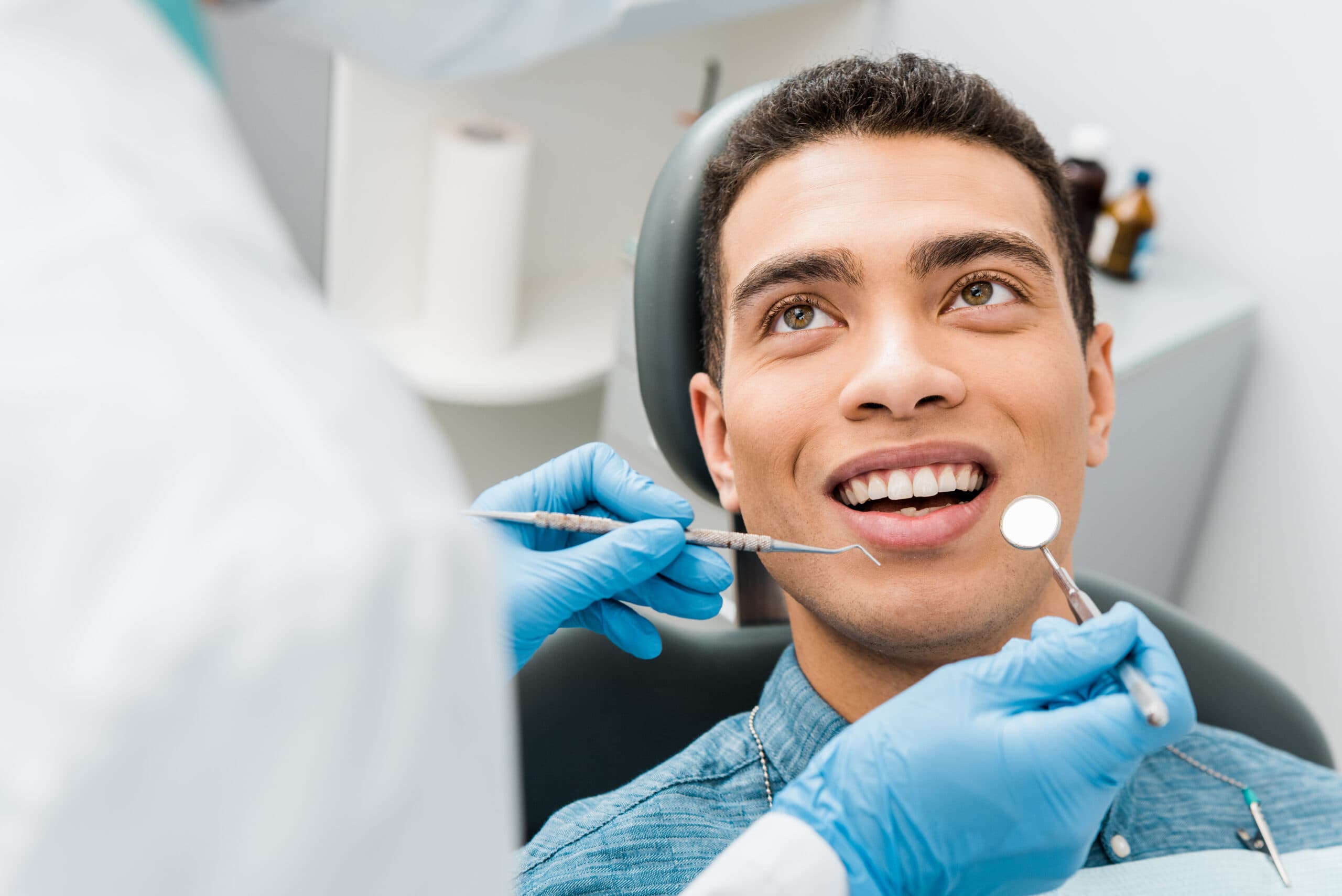
Protect Your Smile with Professional Periodontal Care
Treat Periodontal Disease Before It Threatens Your Teeth
Periodontal disease affects the gums, bone, and other tissues that help support your teeth. Because the condition can become progressively more destructive, identifying and treating it earlier may help limit further damage to these supporting structures.
Restore Health to Your Gums and Supporting Tissues
Periodontal treatment is selected according to the type and severity of disease. Some patients may benefit from nonsurgical treatment such as scaling and root planing, while more advanced problems may require surgical or regenerative procedures. The objective is to control disease and create an environment that is easier to maintain.
Protect Your Natural Teeth and Long-Term Oral Health
Untreated periodontitis can eventually cause enough loss of gum and bone support for teeth to loosen or be lost. Professional treatment combined with consistent home care and periodontal maintenance can help patients manage the condition and preserve their natural teeth whenever possible.
Why Choose Bristol Dental Group for Periodontal Care in Santa Ana?
Personalized Periodontal Treatment for Your Individual Needs
Periodontal problems do not affect every patient in the same way. Our dentist or periodontist can evaluate your gums, teeth, dental history, and individual concerns before recommending an appropriate course of care. This allows treatment to be based on your current periodontal health rather than taking a one-size-fits-all approach.
Experienced Care Focused on Your Gum Health and Comfort
Understanding what is happening can make periodontal treatment feel more manageable. Our team focuses on clear communication throughout the process so you understand the condition being treated, your options, and what to expect before moving forward.
Comprehensive Periodontal Treatments in One Convenient Location
Depending on your diagnosis and individual needs, periodontal care can range from nonsurgical therapy to procedures designed to address gum recession, periodontal pockets, lost supporting tissue, or restorative concerns.
Ongoing Care to Help Protect Your Results
Managing periodontal disease does not necessarily end when active treatment is completed. Periodontal maintenance and consistent home care can be important parts of controlling plaque and monitoring gum health over time. Reference sources describe maintenance intervals as individualized according to a patient’s needs.
What Is a Periodontist?
A periodontist is a dentist with specialized training in caring for the gums, bone, and other tissues that help hold and support your teeth. Periodontists may also perform cosmetic periodontal procedures and procedures involving dental implants.
Periodontists may also work closely with general dentists when a patient’s care involves both periodontal and general dental needs, helping coordinate treatment as part of a comprehensive approach to oral health.
Periodontists are also trained in dental implant treatment. Dental implants involve surgically placing artificial tooth roots into the jaw to support replacement teeth when this treatment is appropriate for the patient.
What Does a Periodontist Treat?
Periodontists commonly evaluate and treat gingivitis, periodontitis, gum recession, periodontal pockets, and loss of the bone and soft tissue supporting teeth. Treatment can include nonsurgical periodontal therapy as well as gum grafting, pocket reduction, bone grafting, and other surgical procedures when appropriate.
When Should You See a Periodontist?
Consider scheduling an evaluation if you notice persistent bleeding or swelling, gum sensitivity or recession, ongoing bad breath, pain when chewing, loose teeth, or other changes in the appearance or health of your gums.
What Is Periodontal Disease?
Periodontal disease develops when inflammation affects the gums and other structures responsible for supporting and stabilizing the teeth. It can range from early gingivitis to increasingly severe forms of periodontitis.
Gingivitis: The Early Stage of Periodontal Gum Disease
Gingivitis is the mildest form of gum disease. Gingivitis is the earliest stage and commonly causes inflamed, red, or bleeding gums. At this stage, appropriate treatment and improved oral hygiene can often reverse the inflammation before it progresses to periodontitis.
How Periodontal Disease Can Progress to Advanced Gum Disease
As periodontal disease progresses, the gums may recede, and pockets can form between the gums and teeth. Increasingly advanced disease may involve infection and progressively greater loss of supporting tissue and bone. Severe periodontitis can result in loose teeth and eventually tooth loss.
Periodontitis also becomes increasingly common with age. Historical U.S. data from 2009–2014 found that approximately 60% of adults age 65 and older had periodontitis, illustrating the importance of continuing to monitor periodontal health throughout adulthood.
Is Periodontal Disease Contagious?
Periodontal disease itself is generally not described in the same way as a contagious illness such as a cold. Bacteria associated with gum disease can be exchanged through saliva, but whether disease develops or progresses depends on multiple factors, including good oral hygiene and individual risk factors.
Signs and Symptoms of Gum Disease
Common warning signs can include bleeding, redness, swelling, sensitivity, persistent bad breath, gum recession, discomfort when chewing, and loose teeth. Some periodontal problems may develop without obvious discomfort, which makes professional dental examinations important for detecting changes that may otherwise go unnoticed.
Gum Recession and Teeth That Appear Longer
As gum tissue recedes, more of the tooth or root surface may become exposed. Recession can affect appearance and may contribute to tooth sensitivity. Gum grafting may be considered in appropriate cases to cover exposed roots or add tissue where gums have receded.
When to Seek Professional Gum Disease Treatment
Persistent bleeding, swelling, sensitivity, recession, or changes in the way your gums or teeth look or feel warrant professional evaluation. Earlier assessment can help determine whether periodontal disease is present and whether treatment could help limit further progression.
What Causes Gum Disease?
Plaque accumulating around the gumline is a major contributor to gum disease. When plaque and tartar remain around the teeth, inflammation can develop and potentially progress over time.
Risk Factors That Can Affect Your Periodontal Health
Some people have a greater risk of developing or experiencing progression of periodontal disease. The reference material identifies smoking, diabetes, and family history among important risk factors.
Tobacco use is one of the most important preventable risk factors for severe gum disease. Historical U.S. data from 2009–2014 found periodontitis in approximately 62% of smokers, highlighting the strong relationship between smoking and periodontal health.
Certain immune system disorders can also increase susceptibility to periodontal problems. Children with primary immunodeficiency disorders, for example, may face a substantially higher risk of developing gum disease than children without these conditions.
How to Help Prevent Periodontal Disease
Brushing thoroughly, cleaning between your teeth every day, and keeping regular professional dental appointments can reduce plaque accumulation and help protect your gums. Professional cleanings are particularly important because hardened tartar cannot be removed with normal brushing and flossing alone.
Additional preventive measures may be appropriate for some patients. An antibacterial mouthwash can complement brushing and interdental cleaning by helping control bacteria associated with gum disease, while quitting smoking can significantly reduce an important modifiable risk factor for periodontal problems.
Benefits of Early Periodontal Treatment
Treating periodontal problems before extensive damage occurs may provide more opportunity to control inflammation and protect the tissues supporting your teeth. Early stages may also be managed with less invasive approaches than advanced disease; the reference material notes that early periodontal disease is often initially treated with nonsurgical therapy.
Protect the Bone and Tissues Supporting Your Teeth
Periodontitis can progressively damage the structures responsible for holding teeth in place. Controlling periodontal disease is therefore about more than improving how your gums look or feel—it is part of protecting the foundation of your natural smile.
Periodontal Treatments in Santa Ana, CA
Treatment depends on the extent and location of periodontal disease. Our dentist or periodontist can evaluate your periodontal health and determine which approach is appropriate for your needs.
Scaling and Root Planing for Gum Disease Treatment
Scaling and root planing targets buildup below the gums, removing accumulated plaque and tartar while treating the tooth roots to create cleaner surfaces. It is commonly used as an initial nonsurgical treatment for periodontal disease.
Periodontal Surgery for Advanced Gum Disease
When nonsurgical treatment cannot adequately address deeper periodontal problems, surgery may be considered. Surgical treatment is generally selected according to the location and severity of disease rather than automatically being necessary for every patient.
Gum Grafting for Gum Recession
Gum grafting adds tissue to areas affected by recession and may help cover exposed root surfaces. Depending on the situation, treatment can help protect the affected area, address sensitivity, and improve the appearance of the gumline.
Pocket Reduction Surgery
Advanced periodontitis can create deeper spaces between the gums and teeth that are difficult to keep clean. Pocket reduction surgery is designed to reduce these spaces and improve access for cleaning and disease management.
Bone Grafting and Regenerative Periodontal Treatment
Periodontal disease can destroy some of the bone supporting a tooth. In selected cases, regenerative or bone grafting procedures may be considered to address tissue or bone loss and support the structures around affected teeth.
Crown Lengthening
Crown lengthening reshapes gum tissue, and sometimes underlying bone, to expose more of a tooth. It may be performed when additional tooth structure is needed for restorative dental work or for certain cosmetic concerns.
Cosmetic Periodontal Procedures
Periodontal care can also address the relationship between the teeth and gums when recession, excess gum tissue, or an uneven gumline affects a patient’s smile.
Reshape the Gumline for a More Balanced Smile
Depending on your anatomy and goals, cosmetic periodontal procedures can reshape gum tissue to create a different balance between the visible teeth and gums.
Treat Gum Recession and Exposed Tooth Roots
For appropriate candidates, gum grafting can restore tissue to areas affected by recession, helping cover exposed roots while addressing both health and aesthetic concerns.
What to Expect During Your Periodontist Visit
Your Initial Periodontal Examination
Your first visit generally begins with a review of your dental and medical history followed by an examination of your gums, teeth, and supporting structures. Imaging may also be used when necessary to evaluate the underlying bone.
Creating a Personalized Periodontal Treatment Plan
After evaluating your periodontal health, our dentist or periodontist can explain the findings and recommend treatment based on the severity and location of your condition. Your plan may involve preventive care, nonsurgical treatment, surgery, or continued monitoring depending on your needs.
Periodontal Maintenance After Gum Disease Treatment
Periodontal maintenance is designed for patients who have been treated for periodontal disease and require ongoing monitoring and professional cleaning. The frequency is individualized; one reference describes maintenance visits every three to six months following reassessment, depending on patient needs.
Protecting Your Gum Health Between Visits
Daily oral hygiene remains essential after periodontal treatment. Brushing, interdental cleaning, and following the individualized recommendations provided by your dental team can help control plaque between professional visits.
Periodontal Treatment Cost, Insurance, and Financing
The cost of periodontal treatment varies because patients may require very different levels of care. Factors can include the severity and extent of periodontal disease, the procedure required, diagnostic needs, and whether treatment involves nonsurgical or surgical care.
Dental insurance benefits also vary by plan and procedure. Before treatment, ask Bristol Dental Group about your estimated costs, applicable insurance benefits, and available payment or financing options.

Conveniently Located Periodontist in Santa Ana, CA
Periodontal Care FAQs
Yes. Treatment varies according to the stage of disease and may range from improved home care and professional cleaning to scaling and root planing or periodontal surgery. Advanced periodontitis can be managed, but tissue already destroyed by the disease does not simply return to its original state.
Gingivitis can often be reversed when plaque and tartar are addressed, and effective oral hygiene is maintained, before the condition progresses to periodontitis and causes loss of supporting tissue or bone.
The experience depends on the procedure and individual patient. If discomfort or dental anxiety concerns you, discuss this before treatment so your dental team can explain what to expect and what measures may be appropriate for keeping you comfortable.
Lost gum tissue generally does not simply regenerate on its own. Depending on the cause and extent of recession, periodontal procedures such as gum grafting may be considered to restore coverage to exposed areas.
Yes. Advanced periodontitis can cause significant loss of gum tissue and supporting bone. As support decreases, teeth can become loose and may eventually be lost or require extraction.
There is no single price for periodontal treatment because care can range from nonsurgical deep cleaning to more complex periodontal surgery. An examination is the appropriate starting point for determining what treatment you need and obtaining an individualized cost estimate.

If you are concerned about gum disease or have been told you may need periodontal treatment, schedule an evaluation with Bristol Dental Group in Santa Ana. Our team can assess your periodontal health, explain your options, and develop a personalized plan focused on protecting the foundation of your smile.
